
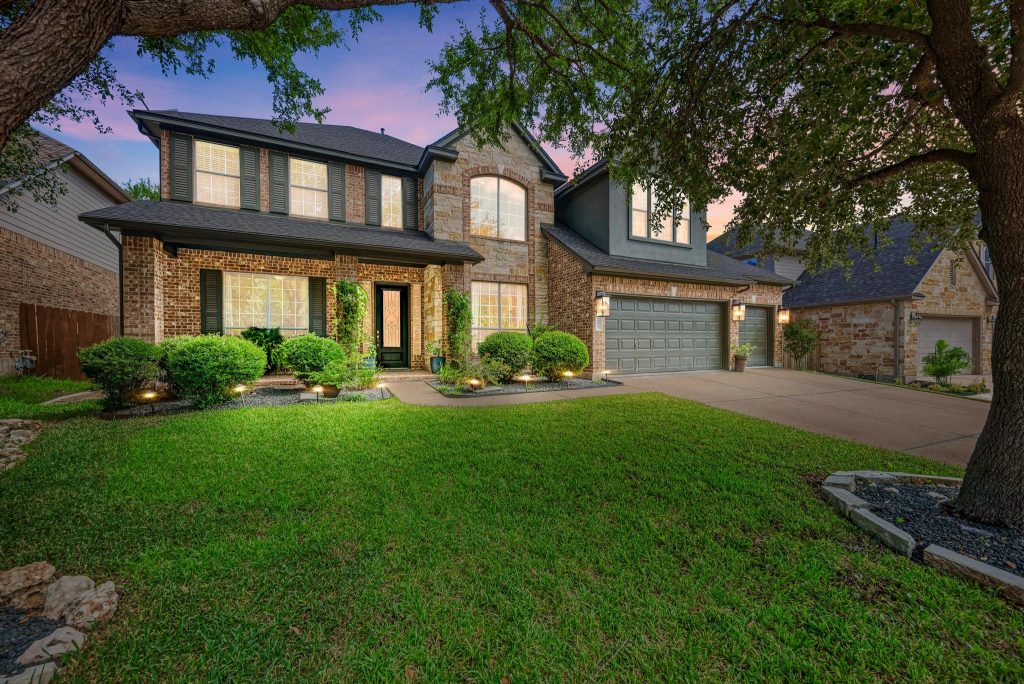
What Buyers Should Really Think About When Purchasing a Home
When buyers hear the word value, most people think it simply means price. In real estate, value is much more layered than the number on the listing. Understanding how homes are valued helps buyers make smarter decisions, avoid overpaying, and feel confident about their purchase, especially in a market that is always changing.
Below are the key valuation factors every buyer should think about when buying a residential home.
Location and Neighborhood
Location still matters, but it is more than just a zip code. Buyers should think about school districts, proximity to work and daily conveniences, neighborhood stability, traffic patterns, and surrounding land use. A quiet street or cul de sac will almost always hold value better than a busy road, even if the homes are similar.
Comparable Sales and Market Data
Home values are driven by recent comparable sales, not by list prices. Appraisers and buyers focus on homes that have actually closed in the last few months and are similar in size, age, layout, and location.
It is also important to understand that many online valuation sites, including Zillow, use a mix of closed sales, pending sales, and active listings in their algorithms. Because pending and listed prices have not actually closed, they can sometimes artificially raise perceived value. This is why automated estimates should be viewed as a reference point rather than a true measure of market value.
Condition of the Home
Condition plays a major role in valuation, even if buyers plan to remodel later. Structural items like the roof, foundation, HVAC, plumbing, and electrical systems carry more weight than cosmetic updates. Homes that have been well maintained typically appraise better and are easier to resell than homes with deferred maintenance.
Floor Plan and Functionality
Square footage matters, but how a home lives often matters more. Buyers place value on functional layouts, bedroom and bathroom count, storage, garage space, and flexible rooms.
In my experience, extra bathrooms consistently bring future value to a home. Homes with additional full baths tend to appeal to a wider range of buyers and often hold their value better over time.
Lot Size and Outdoor Space
Land is a major valuation factor, but not all land adds value the same way. Buyers should consider lot usability, shape, topography, easements, and floodplain issues.
Privacy is especially important and can significantly help a home’s value or bring value that may not be obvious on paper. Lots with separation from neighbors, natural buffers, or backing to green space often outperform similar homes without privacy.
Market Conditions
Value is not fixed. It shifts with interest rates, inventory levels, buyer demand, and seasonal trends. A home may be valued differently in a strong seller market than in a more balanced or buyer friendly market. Understanding current conditions helps buyers set realistic expectations and negotiate wisely.
Long Term Resale Potential
Smart buyers think beyond today. Neighborhood trends, future development, school changes, and overall desirability affect long term value. Even if a home is not intended to be a forever home, resale potential should always be part of the decision.
Final Thoughts
The best value is not always the lowest priced home. It is the home that makes sense for your lifestyle, is supported by real market data, and has strong fundamentals that hold up over time. Understanding valuation factors allows buyers to move forward with clarity and confidence.
If you ever want help breaking down the value of a specific home or understanding how pricing really works in the Austin market, working with an experienced local professional can make all the difference.
