
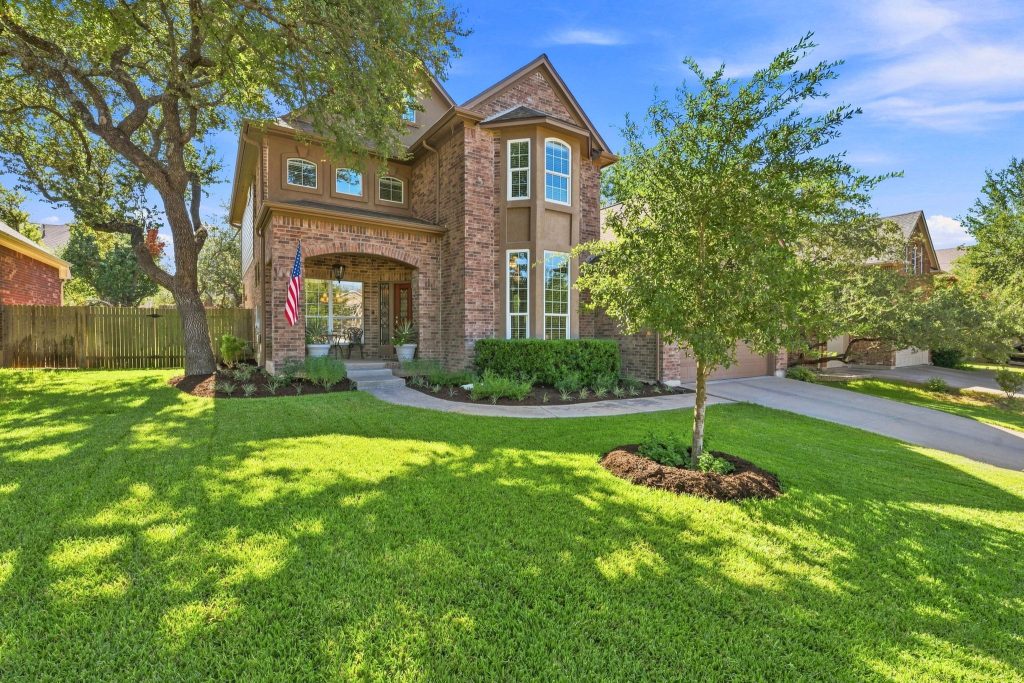
Buying a home is exciting, but there are several things Texas homebuyers often overlook until after closing. Whether you’re a first-time buyer or purchasing your fifth home, understanding these eight things could save you thousands of dollars and prevent some expensive surprises.
The truth is, buying a home involves much more than finding the right floor plan, neighborhood, or price. It’s about understanding what you’re buying and the financial responsibilities that come with it.
Here are eight things every Texas homebuyer should consider before making an offer.
1. Property Taxes Can Change Dramatically After You Buy
One of the biggest surprises for Texas homebuyers is the property tax bill.
Texas doesn’t have a state income tax, but property taxes can be substantial.
What buyers overlook:
The current owner’s property taxes may reflect exemptions you won’t qualify for.
The seller may have a significantly lower taxable value because of the homestead appraisal cap.
Your property taxes could increase after purchasing the home.
Tax rates vary depending on the property’s location and applicable taxing entities.
My advice: Don’t rely on the seller’s current tax bill. Ask your real estate agent or lender to estimate your taxes based on the purchase price, local tax rates, and exemptions you may qualify for.
2. MUDs and PIDs Can Add Thousands to Your Housing Costs
This is one of the most overlooked expenses for homebuyers in Central Texas, particularly in growing communities throughout Leander, Georgetown, Liberty Hill, Hutto, and surrounding areas.
Many buyers don’t realize that two homes with the same purchase price can have significantly different ownership costs because of special taxing districts and assessments.
MUD – Municipal Utility District
A MUD is a governmental district commonly established to finance and provide infrastructure such as water, wastewater, drainage, and other authorized improvements.
MUDs can levy property taxes in addition to other local property taxes.
Example: A MUD tax rate of $0.75 per $100 of taxable value on a $500,000 taxable property value would add approximately $3,750 annually, or $312.50 monthly, before any applicable exemptions.
PID – Public Improvement District
A PID is a district established to help fund certain public improvements benefiting properties within its boundaries, such as roads, sidewalks, landscaping, and infrastructure.
Unlike a MUD property tax, a PID obligation is often structured as a special assessment. These assessments may appear on the property tax bill, and some may be eligible for early payoff.
What buyers overlook:
MUD taxes are generally separate from regular city, county, and school district taxes.
PID assessments may create an additional annual expense.
MUD tax rates can change over time.
Some PID assessments can remain in place for many years.
A property can have an HOA, a MUD, a PID, or a combination of them.
Certain district obligations and notices must be addressed during a Texas real estate transaction.
My advice: Before purchasing, determine whether the property is located within a MUD or PID. Review the applicable tax rates, assessments, outstanding obligations, and required notices.
Don’t assume that two similarly priced homes will have similar monthly payments.
3. Your Monthly Payment Isn’t Just Principal and Interest
Many buyers focus on the mortgage payment without considering the true cost of homeownership.
Additional expenses include:
Property taxes
MUD taxes or PID assessments, if applicable
Homeowners insurance
HOA fees
Maintenance and repairs
Utilities
Potential special assessments
Example: A home with a $2,200 monthly principal and interest payment could cost $3,200 or more per month once taxes, insurance, and other expenses are included.
My advice: Understand your complete monthly housing expense before making an offer. Just because a lender approves you for a certain amount doesn’t mean that payment fits comfortably within your budget.
4. The Foundation Is a Bigger Deal Than You Think
Texas is known for expansive clay soils, particularly throughout Central Texas.
As moisture levels change, soil expands and contracts, potentially causing foundation movement.
What buyers overlook:
Drainage around the foundation
Cracks in brick or drywall
Doors that don’t close properly
Large trees near the foundation
Previous foundation repairs
Poor grading that directs water toward the home
Not every crack means a home has a foundation problem, but certain warning signs deserve further investigation.
My advice: Pay close attention to the foundation during inspections. If warning signs appear, consider hiring an independent structural engineer.
5. The HOA Can Affect More Than Your Monthly Budget
Homeowners associations are common throughout Texas, especially in newer neighborhoods.
Buyers often focus on HOA dues without reviewing the association’s rules and financial condition.
What buyers overlook:
Restrictions on renting their property
Rules governing fences, landscaping, and exterior improvements
Parking restrictions
Potential increases in HOA dues
Special assessments
Association financial reserves
Restrictions on recreational vehicles, boats, or trailers
My advice: Review the HOA documents and financial information during your applicable contractual review period. Know what you’re agreeing to before closing.
Remember, HOA dues are separate from property taxes and applicable MUD or PID obligations.
6. Homeowners Insurance May Not Cover What You Think
Texas homeowners face weather-related risks, including hailstorms, wind damage, flooding, and severe thunderstorms.
Many buyers assume their homeowners insurance covers everything.
It doesn’t.
What buyers overlook:
Flood insurance is generally separate.
Wind and hail deductibles may be percentage-based.
Roof age and condition can affect insurance costs.
Some policies have exclusions or limitations for certain types of water damage.
Insurance premiums can increase over time.
Example: If your home is insured for $500,000 and your wind/hail deductible is 2%, you could be responsible for the first $10,000 of a covered claim.
My advice: Obtain insurance quotes during your option period, not days before closing. Review coverage, exclusions, and deductibles rather than focusing only on the annual premium.
7. Your Neighborhood Could Look Completely Different in Five Years
Texas continues to experience significant development, especially throughout the Austin metropolitan area.
That beautiful open field behind your future home might not stay empty forever.
What buyers overlook:
Future residential developments
Road expansions
Commercial construction
Proposed apartment complexes
Changes in traffic patterns
Nearby zoning and land-use plans
Future infrastructure projects
Imagine purchasing a home because of the peaceful views behind your backyard, only to discover that a commercial development or major roadway is planned nearby.
My advice: Research surrounding properties, zoning, development applications, and future transportation projects before purchasing.
Remember, you’re not just buying a house. You’re buying into a neighborhood and its future.
8. Selling the Home Could Be Harder Than Buying It
Most buyers focus on whether they love the home today.
But what happens when it’s time to sell?
A home might check every box for your family but have characteristics that limit its appeal to future buyers.
What buyers overlook:
Homes located on busy streets
Unusual floor plans
Limited parking
High property taxes, MUD taxes, PID assessments, or HOA fees
Homes backing up to commercial properties
Overimproving compared with surrounding homes
Buying at a price that isn’t supported by comparable sales
A property with unusually high ownership costs may be harder to sell when buyers compare it with similar homes in neighborhoods with lower taxes or assessments.
My advice: Before purchasing, ask yourself:
“If I needed to sell this home in three years, what would make it difficult?”
A good real estate agent should help you evaluate not only what a home is worth today but also factors that could affect its future marketability.
🏠 Final Thoughts: The Best Home Isn’t Always the Best Investment
Buying a home is one of the largest financial decisions most people make.
The excitement of finding the perfect kitchen, backyard, or neighborhood can sometimes overshadow the financial realities of homeownership.
From property taxes and MUD/PID obligations to foundation concerns, insurance costs, and future resale value, there are many factors that deserve attention before signing a contract.
As a real estate broker in the Austin area, I believe buyers deserve more than someone who simply opens doors and writes contracts.
They deserve someone who helps them recognize potential problems, understand the numbers, evaluate the long-term implications of their decisions, and make informed choices before committing to a purchase.
My goal isn’t simply to help someone buy a house. It’s to help them buy the right house, at the right price, with a clear understanding of what they’re getting into.
Because buying the right home isn’t just about what you can afford today.
It’s about protecting your financial future.
